

It depends on the cause, not the mess
People ask whether home insurance covers water damage as if it were one yes-or-no question. It is really three questions about how the water arrived. A pipe that bursts overnight, a roof that has leaked for a year and a creek that rises into a garage are treated differently, even if the carpet looks equally ruined.
This guide gives general terms only. Your policy is the contract, and every policy words its exclusions differently. Read yours or call your insurer before you assume anything.
Sudden, gradual or flood: a decision table
| How the water got in | Often treated as | What to check in your policy |
|---|---|---|
| A supply line, appliance hose or water heater fails suddenly | Sudden and accidental, often covered | Any limits on the cost of the failed item itself versus the damage it caused |
| A pipe or roof leaks slowly for weeks or months | Gradual, often not covered | Wording on repeated seepage, wear and neglect |
| Rain driven through a window or a storm-damaged roof | Depends on whether the roof or window was first damaged | Whether wind or hail damage must come first |
| Sewer or drain backs up into the house | Often excluded unless an endorsement was added | Whether a water backup endorsement is on your policy |
| Creek, river or groundwater rises into the home | Flood, usually excluded from standard homeowners policies | Whether you carry separate flood coverage |
| Condensation or humidity causing damage over time | Gradual, often excluded | How the policy treats mold that follows |
These are general patterns and not a promise of coverage. Only your insurer can confirm what applies.
Call the 24/7 line and describe what you see.
What to photograph and keep
Document before you move or throw anything away. The record you build in the first hour often matters later.
Wide shots first
Photograph each room from the doorway, then take close-ups of the wet floor, ceiling stain or failed fixture.
Short video walk-through
Narrate what you see and the date. Video catches water movement that a still photo cannot.
The source
Photograph the broken pipe, hose, supply line or valve before anyone repairs it, and keep the part if you can.
Damaged belongings
Lay items out, photograph each one and list brand, age and rough value. Keep them until your insurer tells you they can be discarded.
Paper trail
Save texts, emails, invoices, moisture logs and drying records from the restoration company, plus the name and number of every person you speak to.
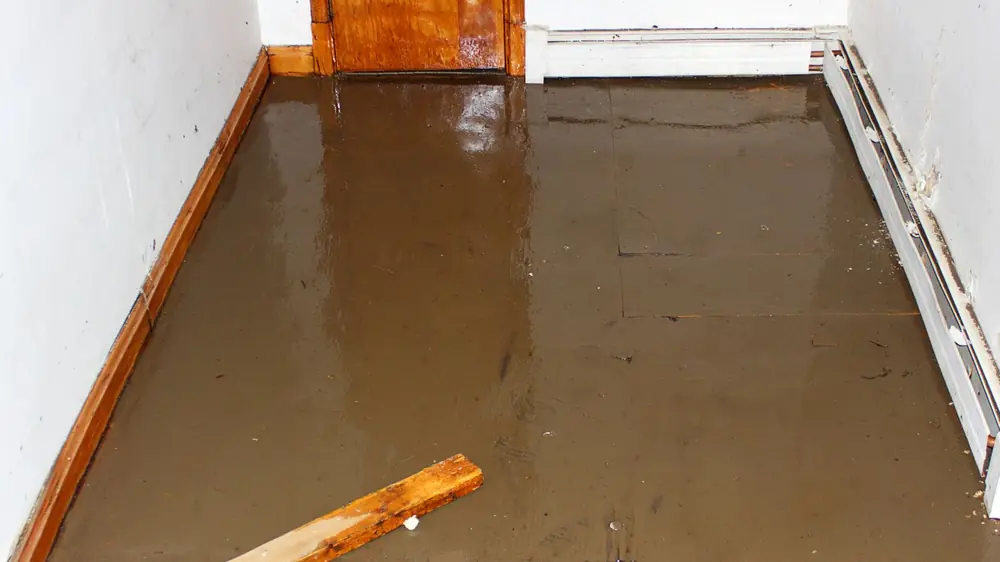
Arroyo Grande note: the county flood study and your map
San Luis Obispo County's Flood Insurance Study for the county and its cities was revised on November 16, 2012. That study is the base for the flood maps your lender and insurer rely on. Maps and studies get updated, so do not rely on what a neighbor, a past owner or an old listing told you about your lot.
Instead, search your own address on the FEMA Flood Map Service Center and ask the city if you need help reading the result. Flood damage is usually excluded from a standard homeowners policy and needs separate flood coverage, so the time to learn what you have is before the creek rises, not after.
Source type: San Luis Obispo County Flood Insurance Study and FEMA Flood Map Service Center
Questions to ask your insurer
Ask these in writing or note the answers with date, time and the name of the person you spoke with.
- Is the cause of my loss treated as sudden and accidental under my policy?
- Does my policy cover the water removal and drying, or only the repair work afterward?
- Is there a deductible for this loss and how much is it?
- Do I need a separate flood policy or a water backup endorsement for this type of damage?
- What documents do you need from me, and in what format?
- If mold is found after drying, how does the policy treat it?
- Do I need to keep damaged materials, and for how long?
Why drying records help any claim
A restoration company that works to ANSI/IICRC S500 logs moisture readings, equipment counts and drying days. Those logs show an insurer what was wet, what was removed and when the structure reached its dry goal. If you have two versions of the story, the one backed by readings is easier to follow.
This is another reason to ask for a written scope before work starts. It lists what was done in plain terms that you can pass to your insurer. Ask any water damage cleanup company whether it provides photos and readings from each visit.
Do not wait for an adjuster to start mitigation if water is still in the structure. Reasonable steps to stop further damage are generally expected of you, so check your policy for how it words that duty.
When the water came from outside
If storm runoff or creek water entered the home, it is a flood damage restoration job and, in most cases, a flood coverage question. The contamination level is also higher. Flood water is often classified as Category 3, which means porous materials are usually removed instead of dried.
Call your insurer, then the line. You do not have to wait on the first call to start protecting the home.
Pismo Beach and San Luis Obispo homeowners
Owners in Pismo Beach and San Luis Obispo face the same sorting exercise: what was the cause, what does the policy say and what can I prove. Renters should ask whether their landlord carries coverage for the building and whether they need their own policy for belongings.
Scope and price are explained before work starts, and the line is answered 24/7. Call (805) 291-8940.
Questions Homeowners Ask
Does homeowners insurance cover a burst pipe?
A sudden burst is often treated as sudden and accidental damage, which is commonly covered. The pipe itself may be excluded, and a slow leak is often treated differently. Check your policy and ask your insurer.
Is flood damage covered by regular home insurance?
Usually not. Flood is generally excluded from standard homeowners policies and needs separate flood coverage. Look at your declarations page to see whether you carry it.
Should I start cleanup before the adjuster arrives?
Protect the home from further damage right away, stop the source and take photos first. Keep damaged items and parts until your insurer confirms what you may discard.
Will my rates go up if I file a claim?
That is a question for your insurer. Ask about how a claim may affect your premium before you decide whether to file.
Does insurance cover the mold that follows water damage?
Policies treat mold differently, and some limit or exclude it. Ask your insurer how it handles mold after a covered water loss, and keep drying records.
How do I find out if my Arroyo Grande address is on the FEMA flood map?
Enter your street address in the FEMA Flood Map Service Center, then ask the city if the result is unclear. The county's Flood Insurance Study was revised on November 16, 2012, so confirm you are looking at the current map for your address.