
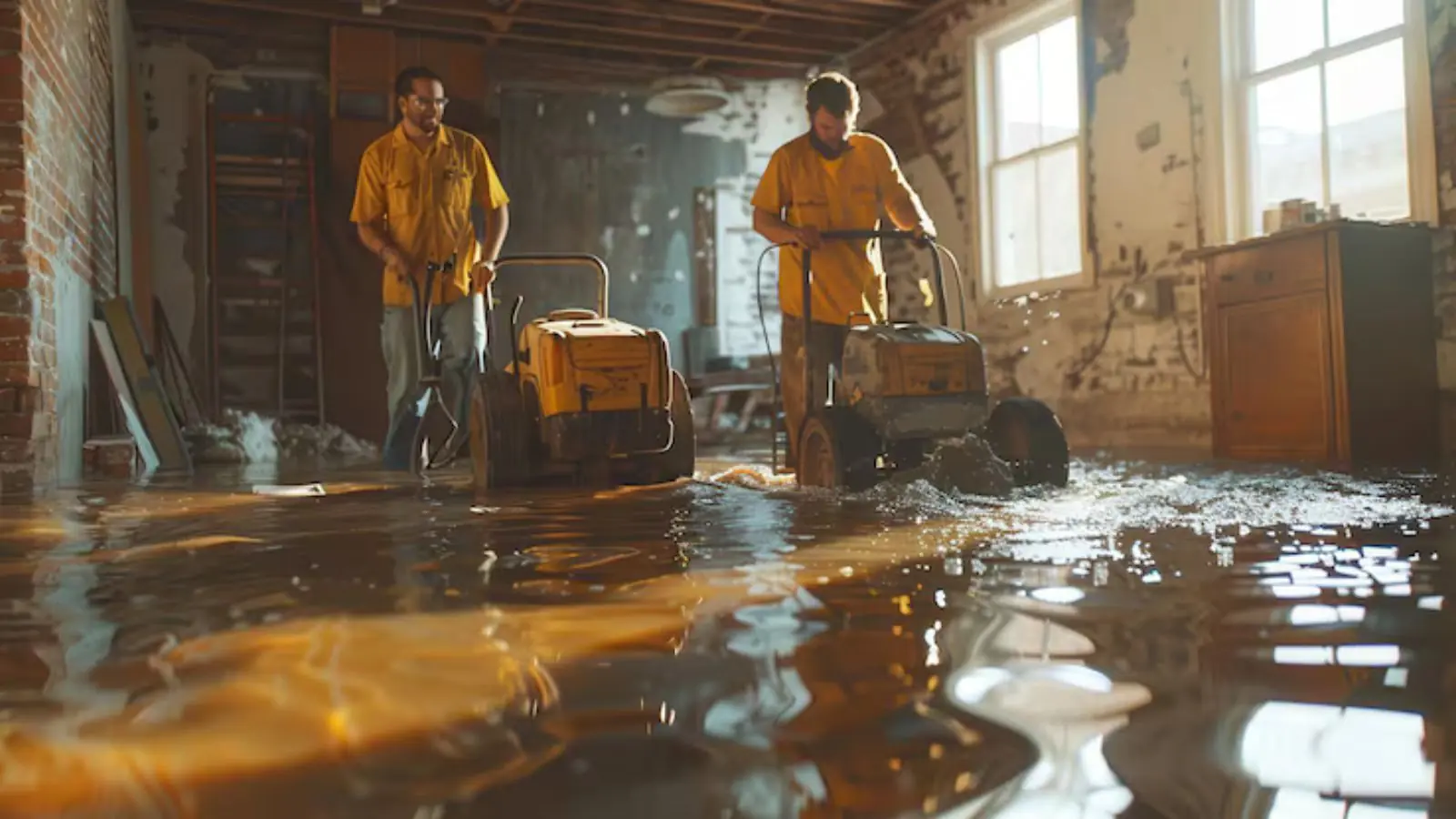
Water damage cleanup in Arroyo Grande, CA is about what the water carried
When the water that reached your floor was not clean, the problem is urgent and it is bigger than wet. Water damage cleanup is the removal of water, debris and contaminated materials, followed by sanitizing and deodorizing the space. The dispatch line for Arroyo Grande, CA is answered 24/7.
Before anyone arrives, stop the source and shut off the main water valve if you can. Switch off power to wet areas only when the panel is dry to reach. Lift valuables, and keep children, pets and yourself out of water that may be contaminated.
Why the source of the water decides everything
Cleanup is sorted by water category, a term from ANSI/IICRC S500. The category tells the crew how much material is safe to keep.
| Category | Typical source | What cleanup usually involves |
|---|---|---|
| Category 1 | Broken supply line, tub overflow with clean water, rainwater from a clean source | Extraction and drying, light cleaning, most materials can stay |
| Category 2 | Washing machine or dishwasher discharge, toilet overflow without feces, sump overflow | Removal of carpet pad and porous materials, cleaning and antimicrobial treatment |
| Category 3 | Sewage backup, creek or surface floodwater, long-standing standing water | Removal of porous materials, heavy cleaning, sanitizing, and often air scrubbing |
Clean water can slip into a higher category if it sits long enough or touches dirty surfaces.
The emergency line is answered 24/7, every day.
When contaminated water is an emergency
Treat it as an emergency when sewage backs up through a floor drain, a toilet overflows with waste, or flood water has entered from outside. These are not mop-and-bucket jobs. The same-day response we offer when available matters most here, because porous materials soak up contamination and become harder to clean the longer they stay wet.
After hours and weekends are included. A sewer backup at midnight is still a sewer backup, and the line is answered whenever you call.
Safety: electrical, gas and sewage
Where water touches wiring or waste, protect people first.
- If water has reached outlets, light switches or the electrical panel, stay out. Cut power only if you can reach the panel without stepping in water.
- Call 911 or the utility before the restoration line if you smell gas, see sparks or hear buzzing from wet wiring.
- Do not wade through sewage or flood water, and do not touch soaked materials without gloves and boots.
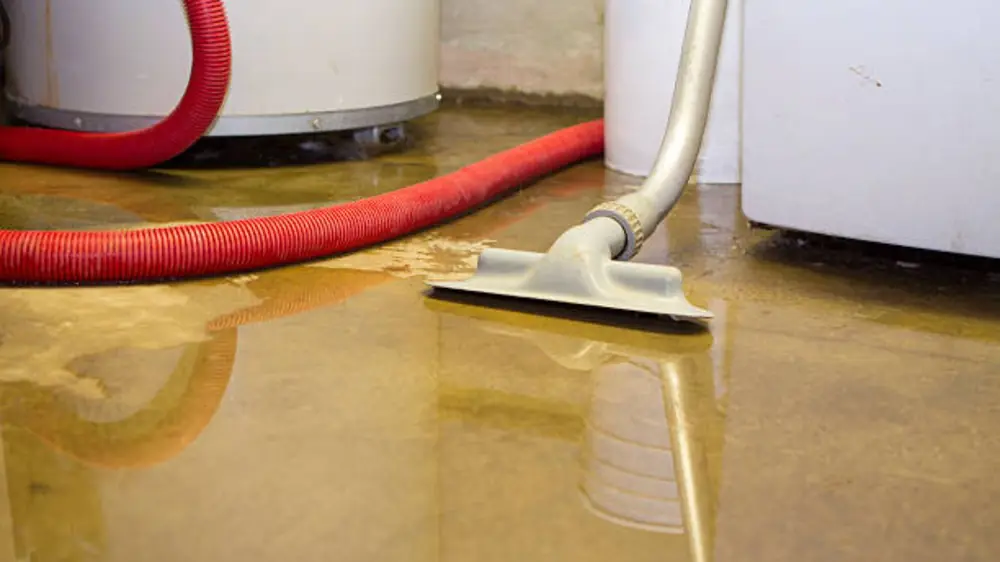
- Do not run a vacuum or a space heater anywhere near standing water.
What gets removed and what gets saved
Cleanup crews separate porous materials from non-porous ones. Carpet pad, insulation, particle board and unsealed drywall soak up contamination and are usually removed. Tile, sealed concrete, glass and most solid wood can be cleaned and kept.
Where drywall is soaked by Category 2 or 3 water, crews often cut it out above the visible waterline so the wall cavity can be cleaned and dried. Baseboards are pulled to let air in and to check what is behind them. Photograph each area before it comes out, because those photos support your insurance conversation.
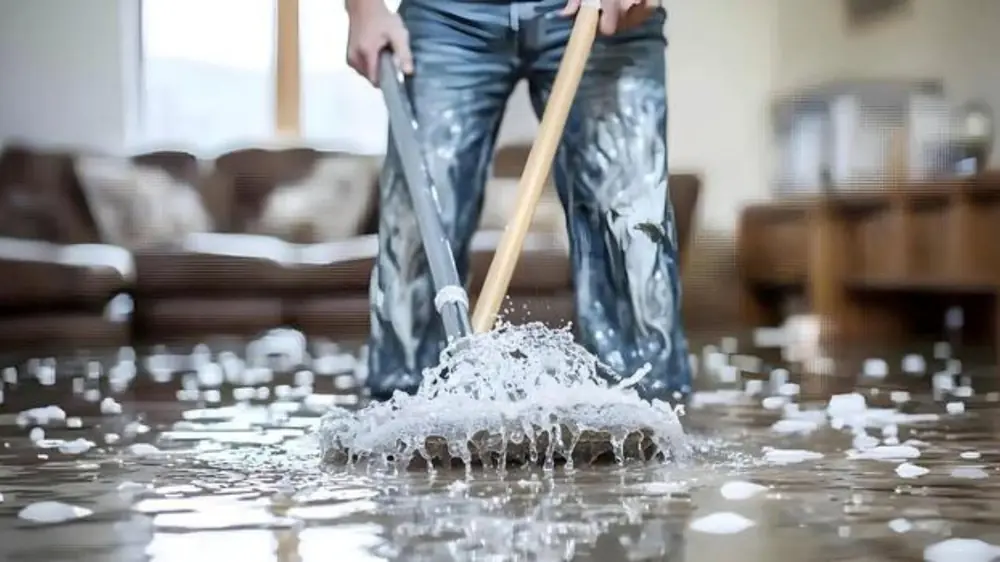
Sanitizing and deodorizing, step by step
- 1
Remove debris and wet materials
Ruined carpet, pad, insulation and drywall go into heavy bags and out of the house.
- 2
Clean every hard surface
Studs, subfloor, concrete and cabinets are washed down before any treatment is applied.
- 3
Apply antimicrobial treatment
A treatment suited to the water category goes on cleaned surfaces and is left to work.
- 4
Scrub the air
HEPA air scrubbers run while the work is under way to capture airborne particles and odor sources.
- 5
Dry and verify
Air movers and LGR dehumidifiers finish the job, and moisture meters confirm the structure is dry.
Contents: sorting the keep pile from the toss pile
Hard goods like glassware, metal tools and sealed plastic bins can usually be cleaned and sanitized. Upholstery, mattresses and stuffed items that sat in Category 2 or 3 water are rarely worth saving. Paper, photographs and electronics are case by case, so move them to a dry spot and keep them in separate bags.
Make an inventory list before you discard anything. Include approximate age and replacement cost, plus a photo, and keep it with your policy documents. Check your policy to see how contents are treated.
What affects the cost of cleanup
| Factor | How it changes the job |
|---|---|
| Water category | Category 3 needs more removal, heavier cleaning and protective gear than Category 1 |
| Affected area | More rooms and more floor space increase labor and haul-away |
| Materials | Porous materials are removed, while hard surfaces are cleaned in place |
| Drying days and equipment | Air scrubbers, air movers and dehumidifiers run longer on wetter jobs |
| Rebuild scope | What goes back after cleanup is quoted as repair |
Scope and price explained before work starts. Want your real number? Call (805) 291-8940.
What cleanup does and does not do
Cleanup removes and sanitizes. It does not replace emergency water removal when a space is still flooded, and it does not rebuild. Drying that starts the same day falls under water mitigation, and replacing drywall, flooring and paint is water damage repair. We do not handle fire damage.
Cleanup also does not remove a plumbing fault or a sewer line blockage. Have a licensed plumber clear the cause so the problem does not return.
Renters and cleanup
About one in three households in Arroyo Grande rents, based on 2020 Census figures. If you rent, tell your landlord in writing right away, photograph everything, and keep receipts for anything you pay for. Your renter's policy, if you have one, may treat belongings differently than your landlord's policy treats the building, so check your policy. For neighbors in Oceano, see the Oceano page for local flood exposure.
Source type: 2020 Census figures as summarized on Wikipedia
Common Questions
Do you handle water damage cleanup emergencies at night or on weekends in Arroyo Grande?
Yes. The line is answered 24/7, including holidays. Same-day response is offered when available, and after-hours calls get the same attention as daytime calls.
What is the difference between Category 1, 2 and 3 water?
Category 1 comes from a clean source such as a supply line. Category 2 carries some contamination, like washing machine discharge. Category 3 is grossly contaminated, such as sewage or flood water. The category sets how much material is removed.
Is it safe to clean up sewage backup myself?
It is better not to. Sewage carries pathogens that spread on boots, hands and tools. Keep everyone out of the area, shut off the water to fixtures if you can, and call for professional cleanup. Questions about health belong to a physician.
Will the smell go away after cleanup?
Odor usually comes from materials that held contaminated water. Removing those materials, cleaning surfaces, scrubbing the air and drying the structure are what clear it. Masking sprays only cover the smell for a while.
Does homeowners insurance cover water damage cleanup?
Sudden and accidental water damage is often covered, while gradual leaks and neglect often are not. Flood is usually excluded. Check your policy or ask your insurer, and keep photos and receipts.