
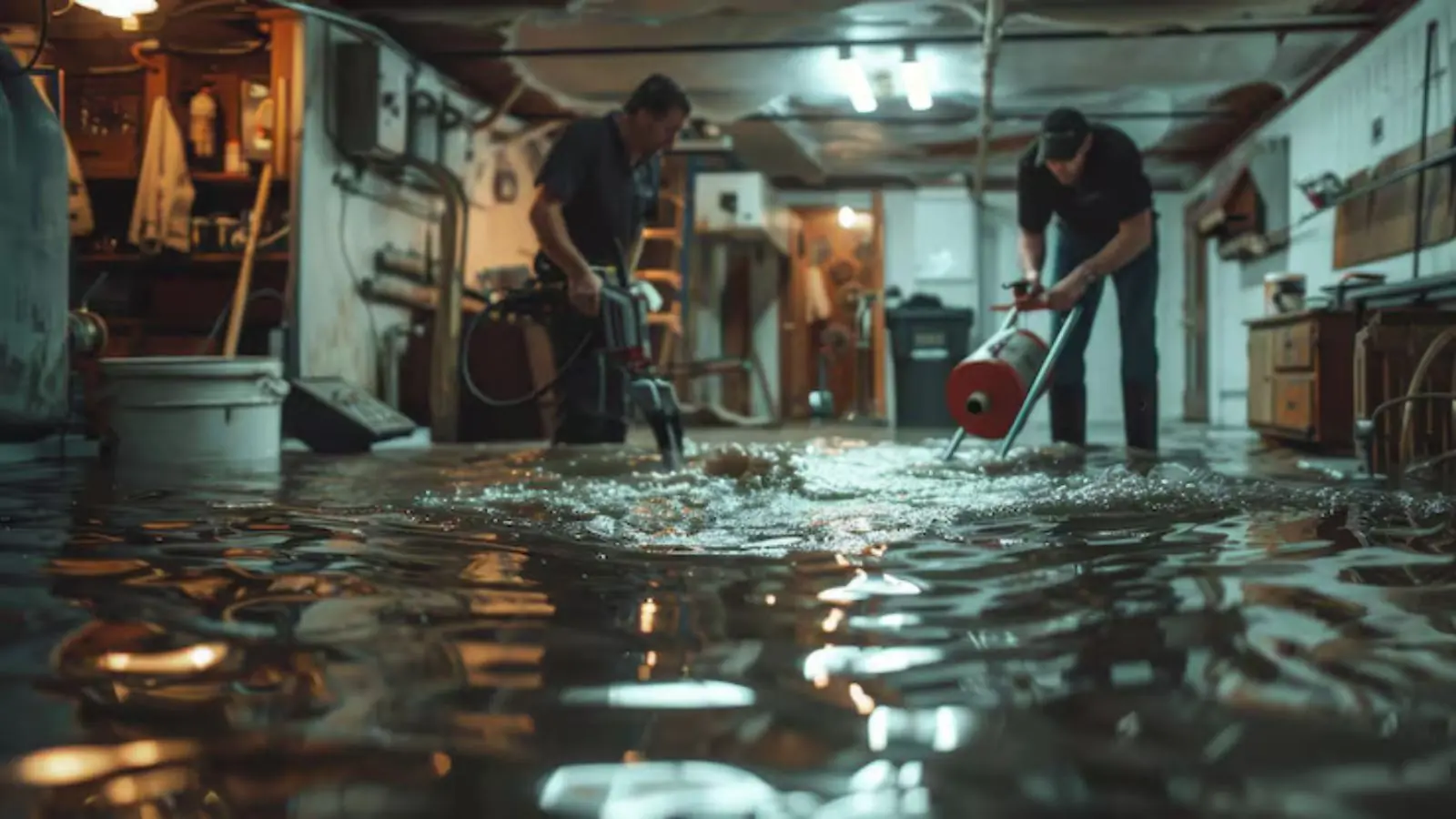
When standing water is an emergency
If you are looking at an inch of water across the kitchen, you do not have time to read, so here is the short version: shut off the main, stay out of the wet area if power is near, and call (805) 291-8940. Emergency water removal in Arroyo Grande, CA is the job of pumping or vacuuming standing water out of a home with truck-mounted or portable extraction units before it soaks upward and outward.
Water wicks into drywall and baseboards within hours, and carpet pad holds it like a sponge. A mop and a shop vacuum will not reach what is under the floor covering. That is the gap an extraction crew fills, and why the call comes first and the cleanup second.
Do these things while you wait
Your actions before the crew arrives often decide how much material can be saved. Do them in this order.
- 1
Stop the source
Find the main water shutoff valve and turn it clockwise until it stops. If the source is a single fixture, use its own angle stop.
- 2
Check the power
Turn off the breakers for wet rooms only if you can reach the panel on dry ground. If water is near outlets, a panel or an appliance, stay out and call your utility or 911 first.
- 3
Lift what you can
Move laptops, books, shoes and small furniture onto beds or counters, and pull rugs off the floor.
- 4
Keep people and pets clear
If the water came from a toilet, a drain or outside, keep everyone out of it. Contaminated water is not a place for bare feet.
- 5
Call and photograph
Call the 24/7 line, then take photos of the water line and damaged items for your insurance records.
The emergency line is answered 24/7, every day.
Burst Pipe Water Damage
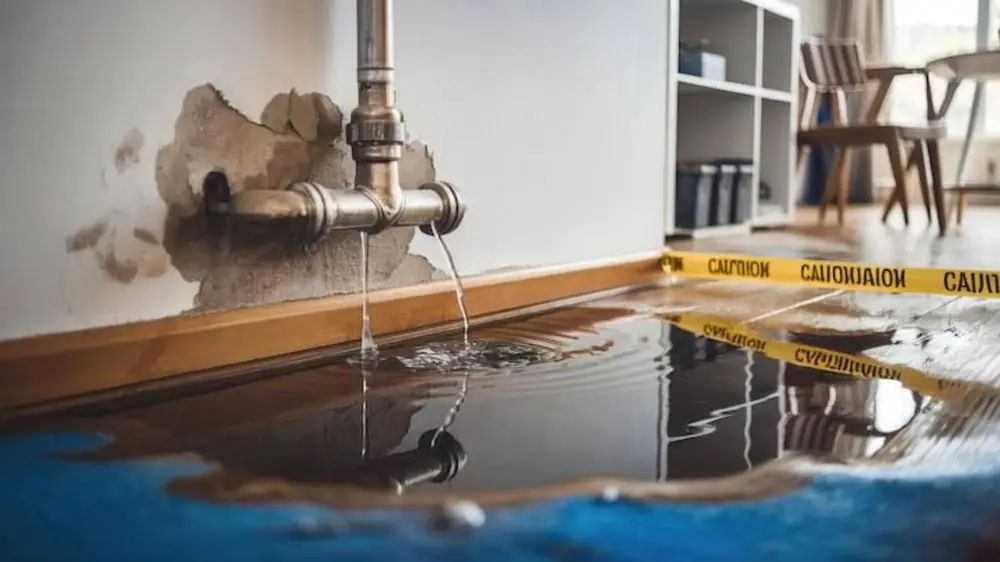
A burst pipe or failed supply line is the kind of loss that tends to happen at 2 a.m. The water is usually clean at first, which is the best case for saving materials, but it stops being clean once it crosses a dirty floor or sits for a day or two. A pinhole in a copper line can leak behind a wall for weeks, while a split washing machine hose can flood a laundry room fast.
Shut the main valve first, then open the lowest faucet in the house to drain the lines. Do not cut into the wall yourself. A moisture meter and a thermal imaging camera show the crew where water travelled, which is often far from the leak. After extraction, air movers and LGR dehumidifiers dry the cavity.
The pipe itself is a plumber's job, not ours. We remove the water and dry the structure, then you or your contractor handle the repair. If the pipe damage left drywall, flooring or cabinets that need replacing, see our water damage repair page.
How the water comes out
Different jobs call for different tools. A crew picks based on depth, the floor material and whether the water is clean.
Submersible pumps
Used when water is several inches deep, such as a basement or a lower-level garage, and moves a lot of volume quickly.
Truck-mounted extraction
Strong vacuum power pulls water out of carpet and pad without lifting every room.
Portable extraction units
Wand-style tools handle hardwood, tile and tight rooms where hoses can reach.
Moisture meters
After the standing water is gone, meters confirm what the drywall, subfloor and framing still hold.
Water categories and what happens next
ANSI/IICRC S500 is the published industry standard for water damage work. Ask any company whether its crews work to it.
| Water type | Example | Next step after removal |
|---|---|---|
| Category 1, clean | Supply line, ice maker, rain through a skylight | Dry in place, keep most materials |
| Category 2, gray | Dishwasher or washer overflow, sump overflow | Clean affected surfaces, discard carpet pad, then dry |
| Category 3, contaminated | Sewage, creek or ground runoff | Remove porous materials, sanitize, then dry |
If the water is a flood from outside, the right page is flood damage restoration.
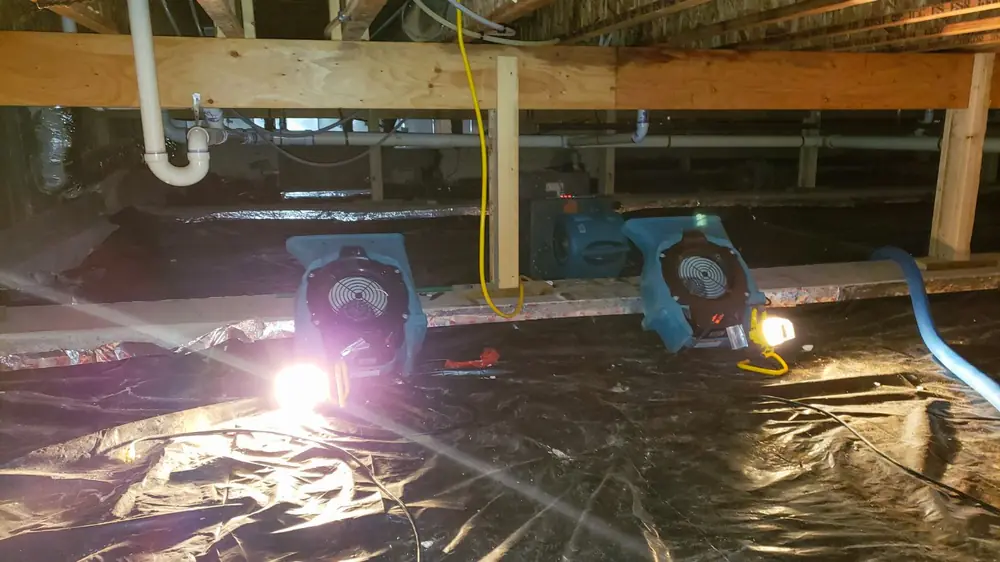
After the water is gone, drying starts
Getting the standing water out is half the story. What is left in the framing and subfloor is the real risk, because mold needs moisture and a damp wall cavity can feed it. That is why extraction is followed by a drying plan. If your situation moves beyond pumping, the phase after is called water mitigation, and the cleanup of ruined materials sits under water damage cleanup.
Wet drywall and insulation are cut out only when they cannot be dried in place. Keeping the structure matters, because demolition costs time and money.
What drives the cost of water removal
Nobody can fairly quote you from a phone description of a wet floor. These are the things that change the price.
| Factor | How it changes the job |
|---|---|
| Depth and volume | More water means longer pumping and heavier equipment |
| Water category | Gray and black water add removal and sanitizing |
| Floor type | Carpet over pad, hardwood and tile all extract differently |
| Area affected | A single room is a smaller job than a whole level |
| Drying needed | Air movers, dehumidifiers and number of days on site |
Scope and price explained before work starts. Want your real number? Call (805) 291-8940.
What we do and what we do not do
We dispatch licensed and insured crews to remove water and start drying. We do not fix plumbing, roofs or foundations, and we do not do fire damage. Water removal is also not waterproofing, so a basement that floods repeatedly needs a drainage contractor.
Insurance is a separate conversation. Sudden and accidental water damage, such as a burst line, is often covered, while a slow leak or neglect often is not. Check your policy and ask your insurer.
We dispatch to ZIP 93420 in Arroyo Grande and to neighbors such as Grover Beach, so tell the dispatcher your street when you call. Same-day response when available.
Common Questions
Do you handle emergency water removal at night or on weekends in Arroyo Grande?
Yes. The line at (805) 291-8940 is answered 24/7, including weekends and holidays. Same-day response when available. An arrival time is never promised before a crew is assigned.
Can I just use a wet vac myself?
For a small spill, yes. For more than a puddle, a household wet vac cannot pull water out of carpet pad or from under baseboards, and you may leave moisture trapped behind it.
Is it safe to be in a room with standing water?
Not if water is near outlets, extension cords or a panel. Shut off the main valve, cut power only if you can reach the panel dry, and call the utility or 911 for any electrical or gas risk before calling us.
What if the water came from a sewer drain?
Keep everyone out and do not run water. Sewage is Category 3, and porous materials soaked by it are usually removed. See flood damage restoration for how that job runs.
Will my insurance pay for water removal?
Sudden and accidental losses are often covered and gradual leaks often are not. Flood is usually excluded and needs separate flood coverage. Check your policy or ask your insurer.
My floor feels dry now. Do I still need drying?
Possibly. Water that has left the surface can remain in subfloor, insulation and drywall. A moisture meter reading is the only way to know.