
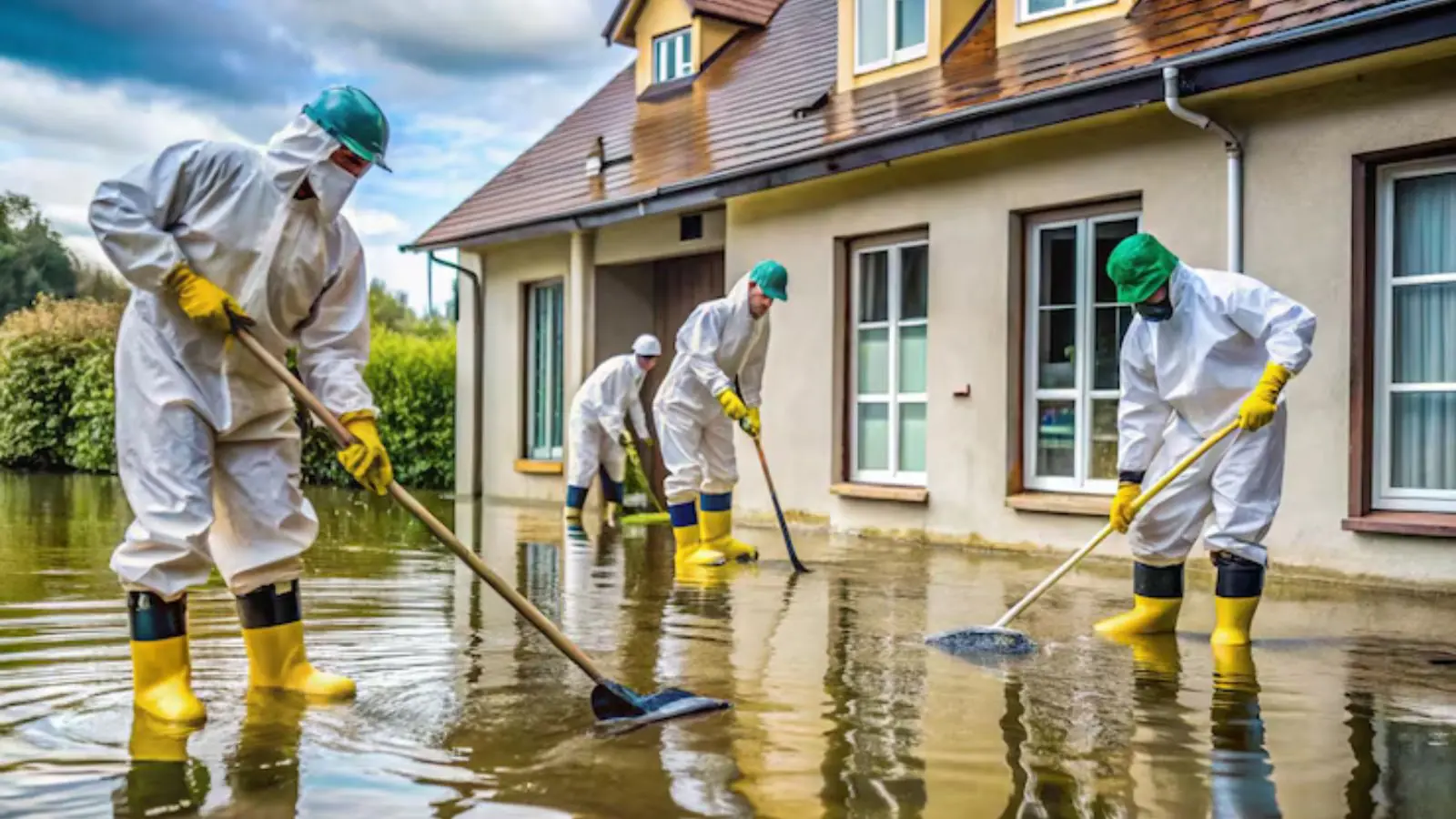
When floodwater is inside your home right now
If water is rising in a room, this is urgent, and the clock on your drywall, insulation and subfloor has already started. Flood damage restoration in Arroyo Grande, CA means pumping out outside water, removing what cannot be saved, drying the structure and sanitizing what the water touched. The line at (805) 291-8940 is answered 24/7, and we dispatch to licensed and insured crews.
Flood water is different from a burst pipe because it arrives carrying soil, yard chemicals and sometimes sewage. That puts most flood jobs in Category 2 or Category 3, which changes what gets thrown away and what gets cleaned. A crew that treats it like a clean-water leak will leave bacteria behind your baseboards.
What to do while you wait for the crew
These steps are for the minutes between your call and the truck. Do only what you can do safely, and skip any step that puts you in the water.
- Stop the source if it is inside the house. Close the main water shutoff valve for a supply line break. For storm water, there is nothing to shut off, so move to higher ground.
- Turn off power to wet areas only if you can reach the panel while standing on dry floor. If the panel itself is wet or you are unsure, leave it alone.
- Lift valuables, electronics, photo boxes and rugs onto counters, beds or upper shelves.
- Keep children, pets and yourself out of standing water. Do not walk through it barefoot.
- Take photos and short videos of the water line on walls and of damaged items before anything moves.
The emergency line is answered 24/7, every day.
Stay out when water touches power or sewage
If water has reached outlets, a breaker panel or a gas appliance, treat the whole area as live. Do not wade in to flip a breaker. Call 911 or your electric or gas utility first, and call the restoration line after the hazard is handled. Our crews will not enter a flooded room until power to it is confirmed off.
Sewage changes the job too. If a toilet or floor drain is pushing up waste, close the lid, keep everyone out and do not run water in the house. Raw sewage is Category 3, and the porous materials it soaks are usually removed rather than cleaned.
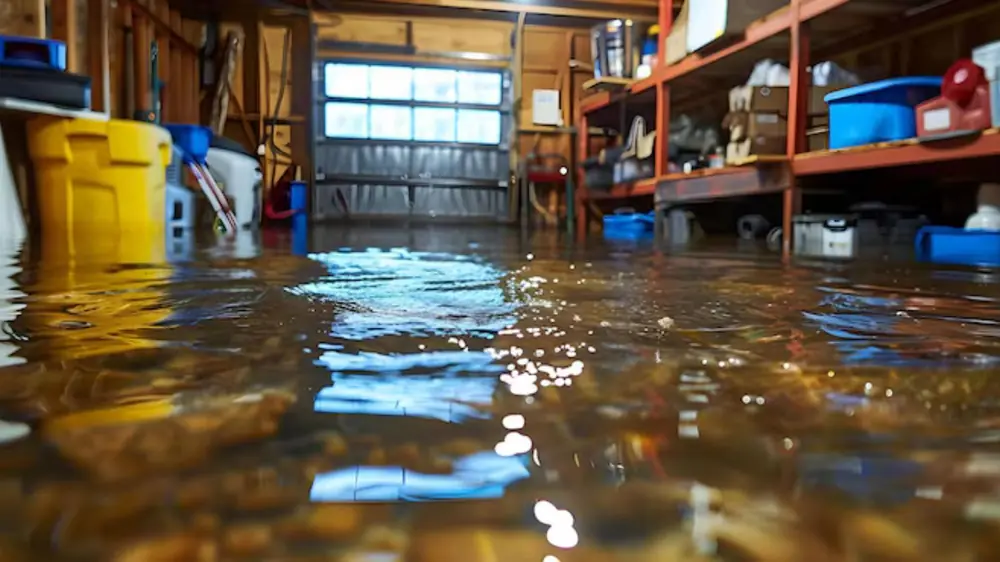
Basement Flooding Cleanup
A flooded basement is a pumping problem first and a drying problem second. Extraction units pull the standing water, but carpet pad, stored boxes and the bottom foot of drywall hold plenty more. Crews watch conditions outside before emptying a deep space that sits in saturated ground.
After extraction, the crew cuts out wet drywall past the visible line, usually a couple of feet above the waterline when wicking is present. Moisture meters and a thermal imaging camera show where water travelled behind finished walls. Then air movers and LGR dehumidifiers run until readings match dry reference materials in the same house.
Wet cardboard, upholstery and insulation from a Category 2 or 3 flood go in the trash bag, not the dryer. The first 72 hours of structural drying and moisture mapping decide how much stays.
Sewage Backup Cleanup
Safety comes before cleanup. Keep the area closed and do not mix bleach with other cleaners. Crews arrive in protective suits, boots, gloves and respirators because Category 3 water is treated as contaminated by default.
The work runs in a set order. Solids and liquid are removed, porous materials such as carpet, pad and low drywall are bagged and hauled out, and hard surfaces are cleaned and then treated with an antimicrobial. Drying equipment goes in last. If the backup came from a clogged lateral or a failed line, you will still need a plumber to fix it. For a deeper look at debris removal and sanitizing, see water damage cleanup.
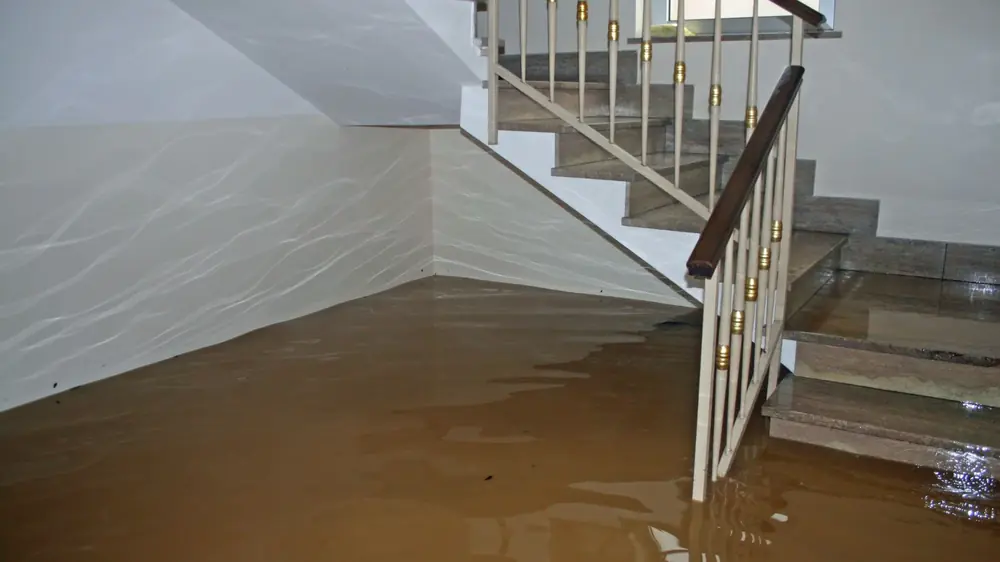
Crawl spaces and whole-house flooding
Crawl spaces hide flood damage well. Water can sit under the floor for days while the rooms above look fine, and wet insulation sags and keeps the joists damp. We pump the space, pull saturated insulation and move air through the cavity.
When water has covered a whole floor, crews triage by contamination first, then by how fast each material can fail. Hardwood, cabinets and trim often need decisions on day one, so keep your photos handy.
Flood water categories and what they mean for your home
Industry practice under ANSI/IICRC S500 sorts water by contamination. Ask any company whether its crews work to that standard.
| Category | Typical flood source | Usual handling |
|---|---|---|
| Category 1 | Clean supply line break before it crosses dirty floors | Extract, dry in place, most materials kept |
| Category 2 | Washing machine overflow, sump failure, rain entering through a window well | Extract, remove porous finishes like carpet pad, clean and dry |
| Category 3 | Creek overflow, sewage backup, ground runoff carrying soil | Remove porous materials, clean and sanitize, then dry |
Clean water can slide to Category 2 or 3 after sitting on dirty surfaces or contacting soil, so time matters.
Arroyo Grande Creek, the levee and your flood plan
Arroyo Grande Creek runs through town, and San Luis Obispo County maintains a 3.5-mile levee system from Los Berros Creek to the Pacific. The channel was built in 1961 for 50-year flood protection, but the county estimates that a flood that was a 50-year event in 1955 now comes every 15 to 20 years. Check your address on the FEMA Flood Map Service Center and ask the city.
After the severe 2023 winter storms the district removed about 11,500 cubic yards of sediment. The county offers a Storm and Flood Preparation flyer and a Channel Flooding Evacuation brochure, and County Public Works answers questions. Keep both documents next to your flashlight before the next storm season.
Source type: San Luis Obispo County Public Works
What drives the cost of a flood job
Flood jobs vary more than any other kind of water loss, which is why no honest page can print a number. These are the factors that move it.
| Factor | Why it matters |
|---|---|
| Water category | Category 3 means more removal and sanitizing |
| Area and depth | More floor and wall area means more drywall removal and equipment |
| Materials | Carpet and pad come out, hardwood and cabinets may or may not survive |
| Drying days | Number of air movers and dehumidifiers and how many days they run |
| Rebuild scope | Restoration dries and cleans, and replacing drywall and flooring is separate |
Scope and price explained before work starts. Want your real number? Call (805) 291-8940.
What we do and what we do not do
We dispatch licensed and insured crews to extract water, remove damaged materials, clean, sanitize and dry. We do not repair plumbing, fix grading, patch a roof or install drainage. After drying, rebuilding walls and floors is a separate step, and our page on water damage repair covers that handoff.
Fire damage is outside what we do. For insurance, flood is usually excluded from a standard homeowners policy and needs separate flood coverage, while sudden and accidental plumbing losses are often covered. Check your policy or ask your insurer before you assume either way.
Neighbors in Oceano sit beside the same creek and levee, and we dispatch there too. Clean standing water only inches deep may fit emergency water removal better.
Common Questions
Do you handle flood damage emergencies at night or on weekends in Arroyo Grande?
Yes. The line at (805) 291-8940 is answered 24/7, including nights, weekends and holidays. Same-day response when available, and we never promise an arrival time before a crew is assigned.
Does flood restoration also waterproof my basement?
No. Restoration removes water, damaged materials and contamination, then dries the structure. It does not stop future water from coming in. For that you need a drainage, grading or waterproofing contractor, and it is better to hire one after the space is dry.
Is floodwater always Category 3?
Not always, but outside water that crossed soil or yards is usually treated as Category 3. The crew classifies it on site under ANSI/IICRC S500 before choosing what to keep.
Will insurance cover a flood?
Flood damage is usually excluded from standard homeowners policies and needs separate flood coverage. Sudden and accidental interior leaks are often covered. Read your policy or ask your insurer, and photograph everything before cleanup starts.
How long does a flooded basement take to dry?
It depends on depth, materials and humidity, and a drying plan is built from moisture readings rather than a calendar. Crews check meters daily and stop equipment when walls and subfloor read dry.
Can mold start after a flood?
Mold needs moisture, so wet materials left in place raise the odds. Fast removal and drying are the best defense, and testing and removal follow ANSI/IICRC S520. See our mold remediation page if you already see growth.