
The short answer: fix the water, then remove what holds growth
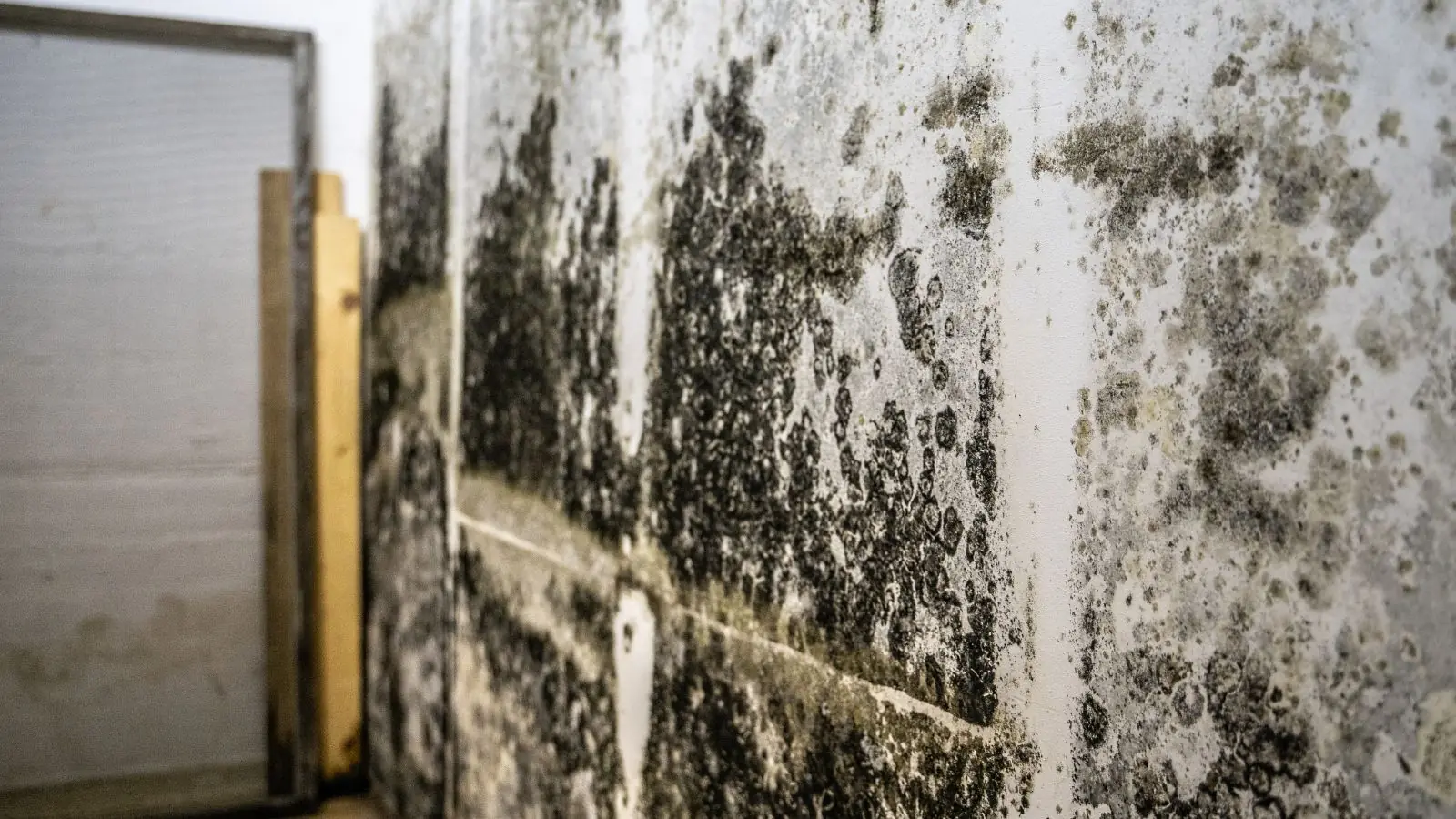
Mold needs moisture, and a below-grade room supplies it in a dozen quiet ways. If the cause stays, any cleaning is temporary. So getting rid of basement mold in Arroyo Grande, CA means two jobs in sequence: find and stop the wet source, then take out or clean the materials that mold has colonized.
Professional mold remediation follows a written protocol such as ANSI/IICRC S520, the published standard for the work. You can ask any company whether its crews follow it, and you should.
No one can promise mold will never return, because that depends on your building staying dry. What a good crew can do is remove the growth, dry the structure and show you the readings that prove it.
What a professional removal looks like, phase by phase
- 1
1. Moisture first
A moisture meter and a thermal imaging camera locate wet framing, slab edges and wall cavities. A leaking pipe, a failed sump, seeping groundwater or a missing vapor barrier gets named in writing.
- 2
2. Containment
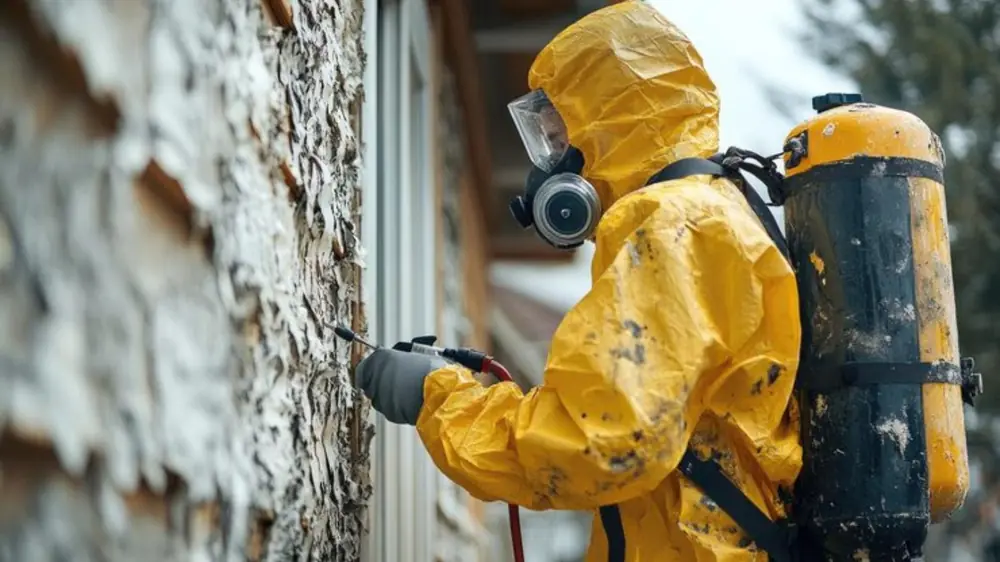
Plastic sheeting seals the work zone and a negative air machine pulls air out of it, so spores do not drift upstairs on foot traffic or through the ducts.
- 3
3. HEPA air filtration
Air scrubbers fitted with HEPA filters run during demolition and after, capturing fine particles from the room air.
- 4
4. Remove porous materials
Wet or colonized drywall, insulation, carpet and pad are cut out, double-bagged and carried out through a sealed path. Wood framing is typically HEPA-vacuumed, cleaned and dried instead of replaced.
- 5
5. Dry the structure
Air movers and LGR dehumidifiers pull remaining moisture from the slab edge, studs and sill plate. Daily readings are logged.
- 6
6. Verify
The crew checks moisture levels and visual cleanliness before containment comes down. Clearance testing, if you want it, is typically done by an independent party.
Call the 24/7 line and describe what you see.
DIY or hire: a decision table
Not every basement needs a full containment crew. This table sorts the common situations.
| Situation | Reasonable to handle yourself | Hire a professional |
|---|---|---|
| Small spot on a hard, nonporous surface like sealed concrete or metal | Yes, with gloves, eye protection and a mask rated for it, after the dampness is stopped | If it keeps returning |
| Growth on drywall, paneling or insulation | No, porous material has to be removed | Yes |
| Patch larger than about 10 square feet | Not recommended | Yes |
| Musty smell with no visible source | Not recommended, the source may be inside walls | Yes, for moisture mapping |
| Flood, sewage or Category 3 water in the last few days | No | Yes, and treat it as a flood job |
| Moisture keeps returning after fixes | No | Yes, to find the true source |
| Heating or ductwork runs through the affected area | No | Yes, since air handling can spread debris |
Any health question about mold belongs with a physician. This table covers the building side only.
Oceano note: the county's flood plain map and the north levee
San Luis Obispo County publishes a 100-Year Flood Plain map for Oceano. If you own or rent a lower-level room there, pull it up before you spend money on repairs, then compare it with the FEMA Flood Map Service Center for your exact address.
Under the county's levee failure plan, residential developments north of Arroyo Grande Creek are protected by the north levee, and the low-lying areas around the Oceano Lagoon flood from high creek flows and Meadow Creek drainage. The practical lesson for a damp basement is to ask whether groundwater, creek-driven moisture or an interior leak is the real source. That answer changes the plan, because it decides whether to dry the room or first address how water gets in.
Source type: San Luis Obispo County Public Works, Arroyo Grande Creek Channel and Oceano flood plain map
Why the cause matters more than the cleaner
Many homeowners buy a mold spray, apply it to a stained wall and feel progress when the color fades. The color is gone, but the material underneath may still be wet. Mold grows on the food in the surface, often the paper on drywall, and a spray does not remove that.
If the room took water recently, treat the damp structure the way water mitigation crews do: remove standing water, open the walls and run drying equipment until readings drop. Removal without drying simply sets up a second round.
Testing has a place here too. An inspection or sample can help when the source is unclear or you need a baseline. A professional can explain what results mean and what they do not.
Do these before the crew arrives
Keep it simple and stay out of the way of the containment work.
- Stop any active leak and shut off the water at the main valve if needed.
- Do not run a dehumidifier or box fan in the room if growth is visible, since that can move particles around.
- Close the basement door and cover the return vents in the room if you can reach them safely.
- Lift stored items off the floor, but leave moldy cardboard where it is and photograph it first.
- Do not scrub, sand or pressure-wash colonized surfaces.
- Write down when you first noticed the smell or spots and note any recent water event.
For homes in Oceano and Nipomo
Crews serve Oceano and Nipomo the same way, and the first call is a description of what you see and smell. If you have a finished basement, a sealed crawl space or an inside garage with drywall, mention which, because it changes the containment plan.
Scope and price are explained before work starts. Want your real number? Call (805) 291-8940 and the line is answered 24/7.
Questions Homeowners Ask
Can vinegar or bleach kill basement mold?
They may change the look of a hard surface, but they do not dry the structure or remove colonized porous material. A surface treatment is not a substitute for finding and fixing the moisture.
Do I need to move out of the house during removal?
That depends on the size of the job, the air path to living areas and personal health considerations. Ask your physician about health matters and ask the company how it isolates the work zone.
How long does basement mold removal take?
Small, contained jobs may be finished in a day or two, while larger ones take longer, mostly because of the drying time. The crew should give you a written plan with expected days before work begins.
What is the difference between mold removal and mold remediation?
Remediation is the full process: fixing moisture, containing, removing, drying and verifying. Removal alone is one step of it. Ask which of those the quote covers.
Will painting over mold stop it?
No. Paint covers the surface but does not remove colonized material or stop moisture. Most remediation protocols require removing or cleaning the growth first.
Where can Oceano residents see the county flood plain map?
San Luis Obispo County publishes a 100-Year Flood Plain map for Oceano. Call County Public Works for help finding it, and also check your address on the FEMA Flood Map Service Center.