
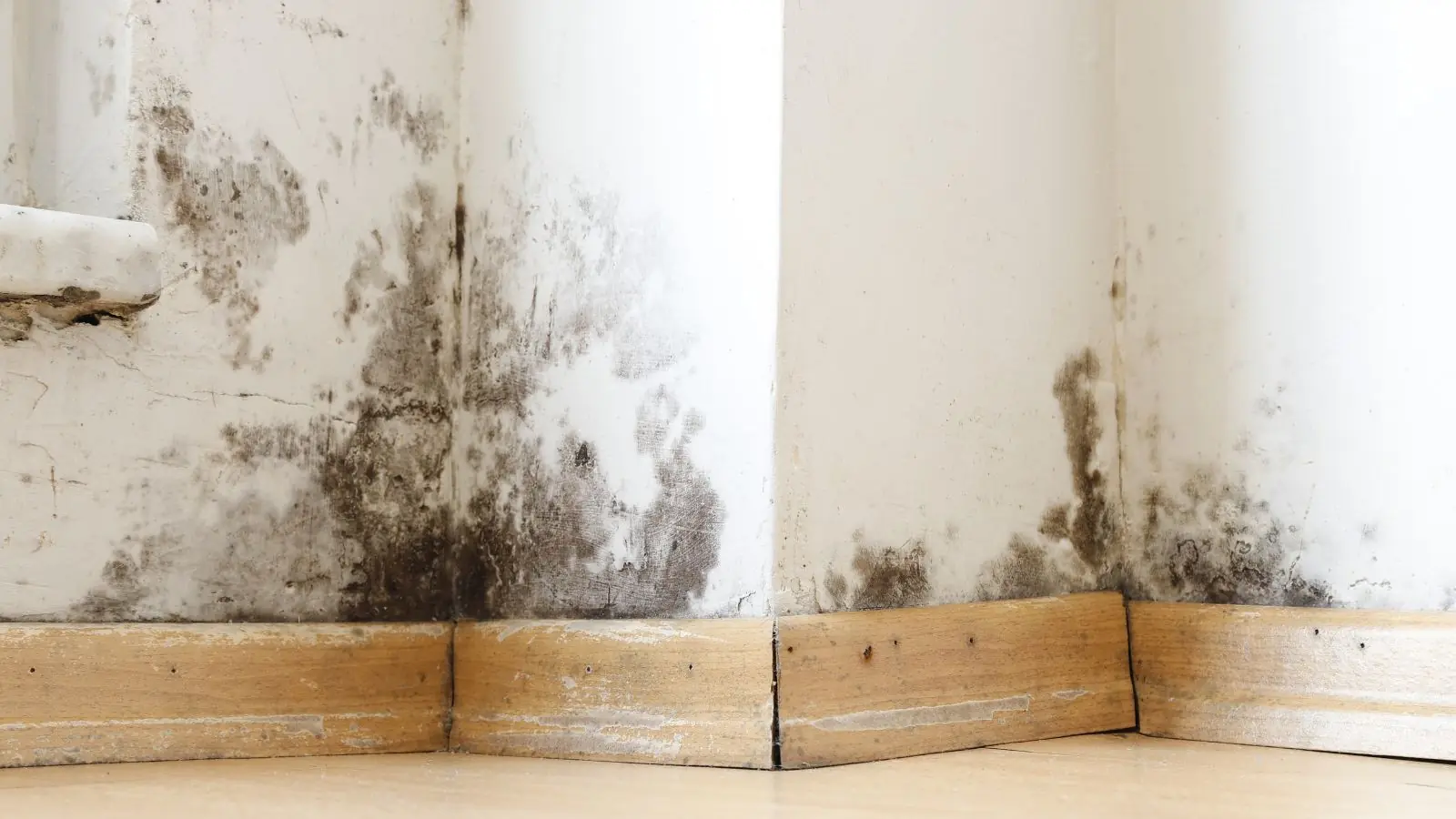
Why nobody can price mold from a photo
A photo shows the surface. It does not show how far growth runs behind a baseboard, whether the insulation above is wet, or whether the leak that caused it is still going. That is why a responsible company walks the space with a moisture meter before naming a figure.
This post gives no dollar amounts for that reason. What it can give you is the list of things that move a mold cleanup number up or down, so you can read two proposals side by side in Arroyo Grande, CA and see why they differ.
The yardstick for scope is ANSI/IICRC S520, the published standard for mold remediation. Ask any company whether its crews work to it.
Expect the price to follow the labor hours and the equipment days. Hours come from area, access and containment. Equipment days come from how wet the structure is and how long it takes to dry.
The cost factors, one by one
Each line below changes labor, materials, equipment time or all three.
| Factor | What changes | Effect on scope |
|---|---|---|
| Affected area | Rooms, wall length, ceiling and attic space | More area means more containment, removal and cleaning hours |
| Material type | Drywall, framing, carpet, insulation, ductwork | Porous materials are removed, solid ones are cleaned |
| Containment level | Single sheet barrier or full negative air chamber | Bigger setups need more plastic, machines and setup time |
| Access | Crawl space, attic, second story, tight closets | Hard access slows every task and may need extra protection |
| Moisture source | Active leak, condensation, roof, slab, plumbing | The source must be fixed, often by another trade |
| Drying | Air movers, LGR dehumidifiers, days on site | Equipment days add up on wet structures |
| Testing | Before, during or after sampling | A separate line, often by a separate firm |
| Rebuild | Drywall, insulation, paint, flooring, trim | Often priced apart from the remediation |
A line on this table can be zero for a small job, which is why the same mold on the same wall can cost different amounts at different houses.
Call the 24/7 line and describe what you see.
What a low number often leaves out
The cheapest proposal is not always the smallest job. More often it is the one with the shortest list. Look for what is missing: no containment, no air filtration, no drying, no disposal, no mention of the source, and no rebuild.
A one-line proposal that says only mold removal gives the company room to do less than you assumed. If the wet drywall is cut out but the cavity is never dried, new growth can start behind the patch. A lower figure that skips drying is a deferred cost, not a saving.
Pay attention to the opposite signal too. A very large number with no breakdown deserves the same question: show me the scope.
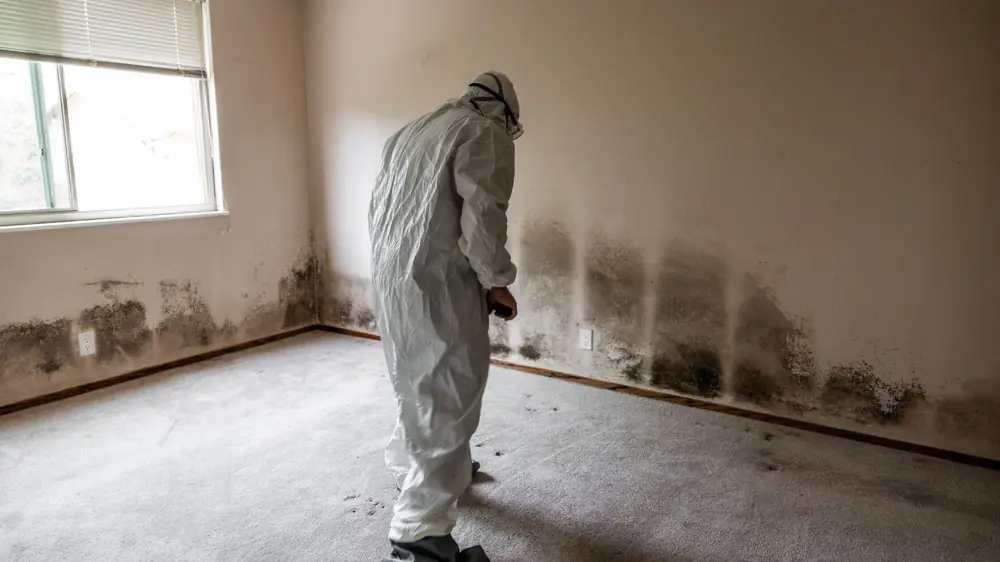
S520 scope items to look for in any proposal
These are the lines a written scope should contain, in plain words.
- The work area is defined by room, wall or square footage.
- Containment type is named, such as plastic barriers and negative air with HEPA filtration.
- Source of moisture is identified, with who is responsible for fixing it.
- Materials to be removed and materials to be cleaned are listed.
- Cleaning method is stated, such as HEPA vacuuming and wipe-down.
- Drying equipment and target readings are included.
- Testing is described as included or excluded, and who does it.
- Rebuild is included or excluded, in writing.
- Scope and price are explained before work starts.
How to compare two scopes fairly
- 1
Line them up
Put the two proposals next to each other and mark each factor from the table above. Blank spaces are the questions.
- 2
Ask about the gaps
Call each company and ask how the missing item would be handled and who pays if it turns out to be needed.
- 3
Match the testing
If one scope includes clearance testing and the other does not, you are comparing two different jobs.
- 4
Check the license
Ask whether your state licenses mold work, and check any contractor license on the CSLB site.
Arroyo Grande note: near the creek, plan for wet winters
The Arroyo Grande Creek channel project finished in 2020 is designed to convey 5,400 cfs, which is a 10-year event under current conditions, with freeboard up to 8,000 cfs. That is a design figure, not a promise that water stays in the channel every winter.
If your property sits near the creek, plan for moisture after wet winters. Look at crawl space vents, garage slabs and low walls in spring, keep drainage clear, and ask your insurer about flood coverage separately, since standard homeowners policies usually exclude flood.
Source type: San Luis Obispo County Public Works
Where insurance fits
Insurance language is general here. Mold that follows a sudden and accidental leak is often treated differently than mold from a slow, long-running problem, and policies can have separate mold limits. Check your policy and ask your insurer before you sign a scope.
Photograph everything before work starts and keep the written scope. A clear paper trail makes both the insurance conversation and any later comparison easier.
Getting a real figure
The fastest way to turn this list into a number is a site visit, where moisture readings set the area and the source gets named. If the cause is recent, mold remediation can follow a drying visit, and any rebuild falls under water damage repair.
Homes in Grover Beach and Nipomo get the same factor-by-factor approach. Want your real number? Call (805) 291-8940.
Questions Homeowners Ask
Why won't you give a price range for mold cleanup?
Ranges tend to be wrong in both directions. The area, the materials and the moisture source decide the job, and those are found on site.
What is usually the biggest driver of the number?
The area affected and whether growth is inside walls or on surface finishes. After that, containment level and access shape the labor.
Does testing cost extra?
It is usually a separate line, and many owners prefer an independent tester who does not do the removal. Ask each proposal to state whether testing is included.
Is the rebuild part of the mold cleanup?
Often not. Remediation removes and cleans, then drywall, insulation and paint are replaced as a separate phase. Ask for both in writing.
Should I ask about flood coverage if I live near Arroyo Grande Creek?
Yes. Flood damage is usually excluded from standard homeowners policies and needs separate flood coverage. The county's 2020 channel project is designed for 5,400 cfs, so ask your insurer about flood coverage as its own question.
Can the same company fix the leak and do the cleanup?
Sometimes, if it holds the right licensing for both. Otherwise a plumber or roofer fixes the source. Ask who is responsible in writing.